

Many property owners only discover unconsented building work when they are preparing to sell, refinance, make an insurance claim, or purchase a property. What may seem like a minor issue can quickly become a significant concern, affecting property value, insurability, and compliance with New Zealand building regulations.
If you’ve discovered building work on a property that was completed without the required building consent, the good news is that there may be options available. In some cases, a Certificate of Acceptance (COA) under the Building Act can provide a pathway to address unconsented work.
What Is Unconsented Building Work?
Building consent is required for many types of construction, alteration, and renovation projects in New Zealand. When work is completed without the required consent, it becomes unconsented building work.
This situation can arise for several reasons:
- Previous owners may have carried out alterations without approval.
- Homeowners may have incorrectly assumed consent was not required.
- Documentation may have been lost over time.
- Urgent work may have been undertaken without obtaining consent beforehand.
Common examples include:
- Additions and extensions
- Decks and balconies
- Structural alterations
- Bathroom and kitchen renovations
- Retaining walls
- Conversions of garages into habitable spaces
While the work may appear satisfactory, councils and future purchasers generally require evidence that it complies with the Building Code.
Why Unconsented Work Can Be a Problem
Unconsented work can create several challenges for property owners.
- Property Sales
During the sale process, solicitors, purchasers, and building inspectors often compare council records against the existing building. Any discrepancies can raise concerns, delay settlement, or impact property value.
- Insurance Complications
Some insurers may question or limit cover relating to unconsented work, particularly where defects or damage are involved.
- Financing and Mortgage Approval
Unconsented building work can affect a property’s ability to be financed. Banks may be reluctant to lend against a property where significant alterations have not been approved or documented, particularly if the work affects the property’s value, structural integrity, or insurability.
- Building Safety Risks
Without proper documentation or inspections, there may be uncertainty around whether the construction complies with current Building Code requirements.
- Future Renovations
Existing compliance issues can complicate future building projects and consent applications.
As a result, addressing unconsented work before it becomes a problem is generally the most cost-effective approach.
What Is a Certificate of Acceptance?
A Certificate of Acceptance (COA) is a document issued by the local council for certain building work that has already been completed without a building consent.
The purpose of a COA is to provide a level of assurance that the completed work complies with the Building Code to the extent that council can determine through its assessment and inspection process. The COA process is available for qualifying work completed after 1 July 1992.
What Information Is Required?
Council typically requires sufficient evidence to assess the completed work and determine whether it complies with the Building Code. This may include:
- Detailed building assessments
- Plans and specifications
- Site inspections
- Construction details
- Photographs of completed work
- Supporting producer statements or engineering information where relevant
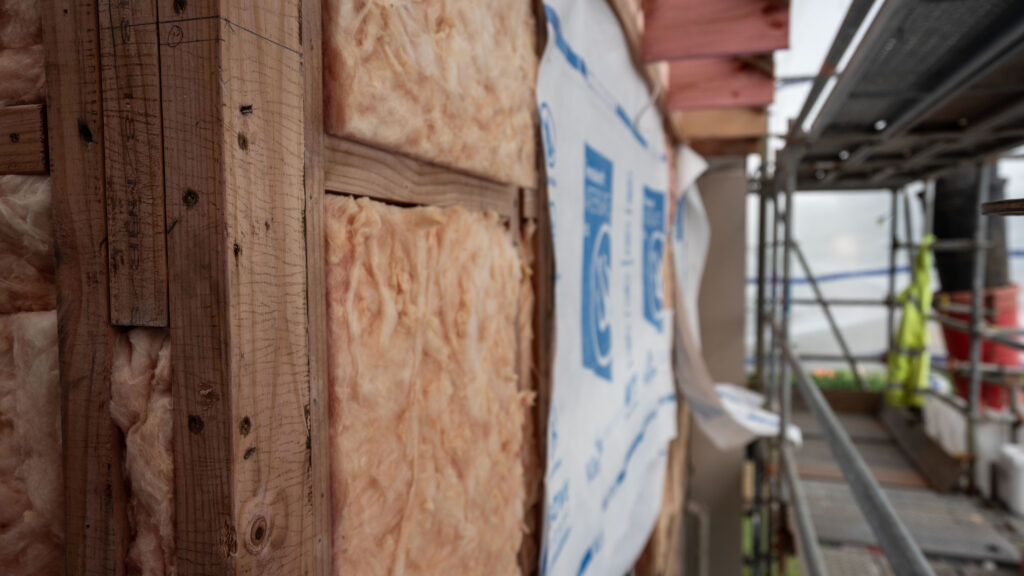
The challenge is that much of the work may already be concealed. Walls, framing, waterproofing systems, and structural elements are often no longer visible, making assessment more difficult.
This is where engaging Veron Building Consultants can significantly improve the process.
How Long Does the Process Take?
While councils generally work towards statutory processing timeframes, the overall duration of a COA application can vary significantly depending on the complexity of the project and the information available. Additional information requests, further inspections, or investigations can extend the process.
Following submission, Council will review the documentation and undertake inspections where necessary. They may:
- Issue the Certificate of Acceptance
- Request further information
- Identify non-compliant aspects requiring remediation
- Require additional consented work before approval can be granted
How Much Does a Certificate of Acceptance Cost?
There is no standard cost for a Certificate of Acceptance. Fees vary depending on the complexity of the project, the amount of investigation required, and the council’s assessment process in addition to council charges.
How Veron Can Help
At Veron Building Consultants, we regularly assist property owners, purchasers, body corporates, and legal professionals in understanding the condition and compliance status of buildings.
Our team can provide:
– Assistance with COA applications
Including preparation and submission of documentation, with council liaison as required.
– Building Surveys and Condition Assessments
We investigate existing construction and identify areas where compliance concerns may exist.
– Defect Investigation
Where defects or building failures are present, we can assess the extent of the issue and provide recommendations for remediation.
– Building Code Compliance Reviews
We assess whether completed work appears to meet relevant Building Code requirements and identify areas requiring further investigation.
– Documentation and Reporting
Our detailed reports can assist owners in understanding what information may be required to support discussions with council and other professionals involved in the process.
– Project Support
Where remedial work is necessary, we can assist through the investigation, scope development, repair planning, and construction monitoring stages.
Don’t wait until a property sale, finance application, or compliance issue creates costly delays. Contact our team today to discuss your property and learn how Veron can help protect your investment and guide you through the next steps.
Ready to get started? Contact us for independent, professional advice tailored to your property.


